Today Modern homes doesn’t need more costly furniture and beautiful decorations.A fresh coat paint and a sofa with comfortable sitting can make a room well looking which is the best modern house design.
For example, light-colored walls can make a small living room feel more open, while wooden furniture adds warmth without making the space look crowded. If your room gets plenty of sunlight, simple curtains can help you enjoy it; at night, warm lighting creates a cosy atmosphere. Indoor plants, family photographs, and cushions in your favorite colors can also give the home a personal touch.
The best part is that you don’t have to change everything at once. Start with one room, decide what feels uncomfortable or cluttered, and make small changes that suit your budget and lifestyle.
1. Choose Colors That Make Your Home Feel Comfortable
Colors can change the way a room looks and feels. White, beige, grey, and soft earthy shades are popular in modern homes because they work well with different furniture styles. However, you don’t have to use the same color throughout your house. A light-colored living room with green cushions or a bedroom with a soft blue wall can look attractive without feeling too busy.
How to Choose the Right Colors for Each Room
Think about the purpose of the room before selecting a color. Bedrooms often look relaxing with soft shades, while living rooms can have warmer colors that make guests feel welcome. If you have a small room, lighter walls may help it feel more spacious.
Try a Simple Three-Color Combination for a Best Modern House Design
Choose one main color for the walls, a second color for furniture, and a third color for accessories. For example, white walls, wooden furniture, and green cushions can create a fresh and balanced look.
Add Small Colorful Details
You can introduce brighter colors through curtains, cushions, rugs, paintings, or flower arrangements. These items are usually easier and less expensive to replace than large furniture pieces.
A Simple Tip
Before painting the entire room, test a small patch of the color on your wall and observe how it looks in daylight and at night.
2. Select Furniture That Fits Your Space
Furniture should look good and make everyday activities comfortable for the best modern house design. A large sofa may look beautiful in a showroom, but it can make a small living room difficult to move around in. Measure your room before buying furniture and leave enough space to walk comfortably between pieces.
Make Small Rooms Look Bigger
Choose furniture with simple shapes and avoid filling every corner. Wall-mounted shelves, compact dining tables, and beds with storage can help you use the available space more effectively for the best modern house design.
Choose Practical Furniture
A storage ottoman can provide extra seating and a place to keep small items. An extendable dining table may be useful for families who occasionally need extra seating.
Keep the Layout Open
Arrange furniture so that doors, windows, and walking paths remain clear. You do not always need to place every piece of furniture against a wall; try different arrangements to find what works best.
Remember
Measure the furniture and the available space before purchasing anything. This simple step can prevent costly mistakes.
3. Use Lighting to Improve the Look of Your Best Modern House Design
Lighting is not just for visibility; it also affects the mood of a room. Natural daylight can make a space feel fresh, while warm artificial lighting can create a relaxing atmosphere in the evening. Try to combine general room lighting with focused lights for reading, cooking, or working.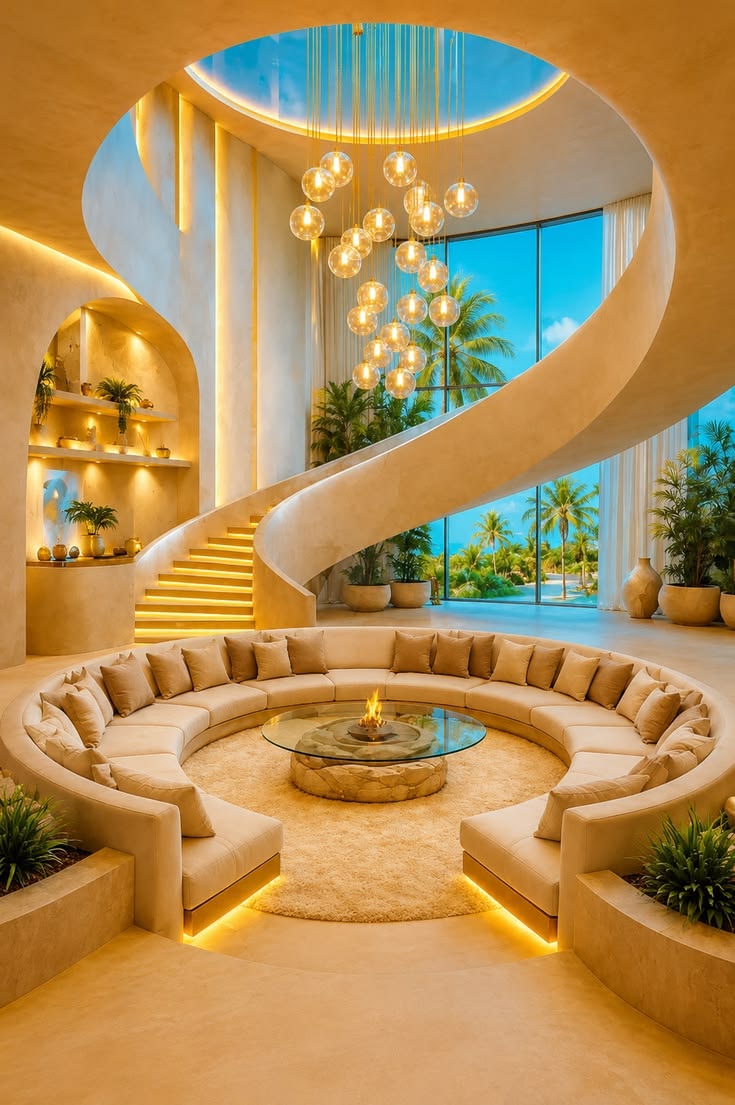
Combine Different Types of Lighting
Ceiling lights provide overall illumination, table lamps are useful for reading, and focused lights can highlight artwork or decorative features. In the kitchen, proper lighting above the worktop makes everyday tasks easier.
Make the Most of Natural Light
Keep windows clean and avoid placing bulky furniture where it blocks daylight. Light curtains can provide privacy while still allowing sunlight into the room.
Choose Bulbs Carefully
Consider the brightness and color temperature of a bulb before buying it. Warm white lighting often suits bedrooms and living rooms, while brighter neutral lighting may be useful in kitchens and work areas.
Safety Tip for the Best Modern House Design
Always choose lighting products suitable for their intended location and have electrical work completed by a qualified electrician.
4. Bring Nature Indoors with Plants and Natural Materials
Plants can add color and life to a modern home. Even one small plant on a shelf or beside a window can make a room feel more inviting. Wooden furniture, cotton fabrics, jute rugs, and natural textures can also soften the appearance of modern interiors.
Choose Plants That Suit Your Best Modern House Design
Consider how much sunlight your room receives before selecting indoor plants. If you are busy, start with low-maintenance varieties that suit your home’s conditions.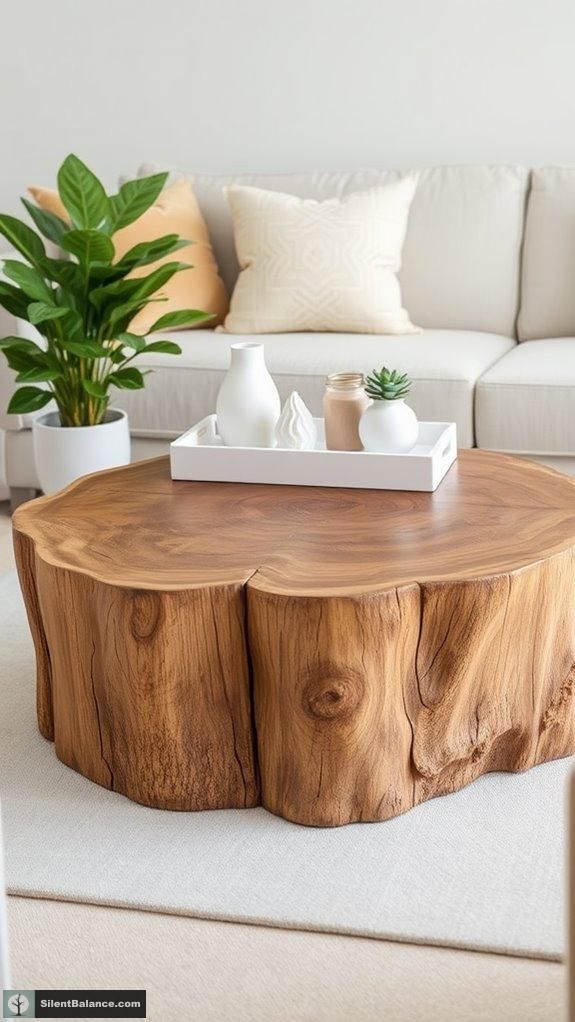
Mix Textures for a Balanced Look
A wooden coffee table, a soft fabric sofa, and a textured rug can create visual interest without requiring many decorative objects.
Avoid Overcrowding
Too many plants, cushions, or decorative pieces can make a small room feel crowded. Start with a few items and add more only if they improve the overall look.
Easy Idea
Place a suitable indoor plant near a bright window or add a small vase of fresh flowers to your dining table.
5. Keep Your Home Organized with Smart Storage
A beautiful room can quickly look untidy when everyday items have no proper place. Modern interior design works best when storage is planned along with furniture and decoration. Before purchasing storage units, identify what you actually need to keep in each room.
Use Every Inch Wisely
Vertical shelves, under-bed storage, and cabinets that reach higher up the wall can make better use of available space. In compact homes, these solutions can be especially helpful.
Create a Place for Everyday Items
Keep frequently used objects somewhere convenient. For example, a small tray near the entrance can hold keys, while baskets can organize toys, magazines, or other household items.
Follow a Simple Routine
Spend a few minutes each day returning items to their proper places. Regular tidying can help maintain the appearance of your home without requiring a major cleaning session.
Final Organization Tip For the Best Modern House Design
Before buying new storage furniture, remove items you no longer use. You may discover that you already have enough space.
6. Make Your Interior Design Personal
Modern interiors do not have to look identical. Your home should reflect your interests, memories, and daily routines. Family photographs, artwork, handmade decorations, or souvenirs from trips can make a room feel more personal.
Decorate Without Spending Too Much
You can refresh a room by rearranging existing furniture, changing cushion covers, adding a mirror, or displaying a few favorite photographs. Small changes can make a noticeable difference without requiring a complete renovation.
Choose Decorations You Enjoy For the Best Modern House Design
Rather than following every interior design trend, select items that suit your taste and are likely to remain meaningful to you. A comfortable and personal home is more valuable than a room that looks fashionable but does not suit your needs.
Change Things Gradually
Try one or two changes at a time and see how the room feels. This approach helps you understand what works before spending more money.
The Main Idea
A well-designed home should reflect the people who live in it, not just the latest decorating trend.